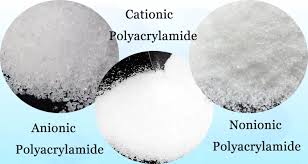
Reducing polymer dose is attractive for obvious reasons. Chemical budgets are under pressure, sludge handling costs are rising, and every site wants to avoid waste. But dose reduction done badly is not saving. It is risk transfer. The site may spend less on polymer for a month and then pay through consent risk, wet cake, blocked filters or operator firefighting.
The better question is not "How low can we set the pump?" It is "Where is the real operating window?"
Start With Active Dose
Many sites talk in pump percentage or litres per hour. Those numbers are local controls, not true dose. Active polymer dose depends on solution strength, pump output, water or sludge flow and solids loading. Before reducing dose, calibrate the system so everyone knows what is actually being fed.
This is where a supplier conversation with Xinqi Polymer or another technical team becomes more useful. If the site can provide active dose and process data, the product discussion becomes specific rather than generic.
Separate Product Waste From Process Demand
High polymer use may be caused by genuine process demand, but it may also be caused by poor make-down, under-hydration, wrong injection point, pump drift, unsuitable dilution water or operator habit. Reducing dose without fixing those causes may simply expose the weakness faster.
Inspect the make-down system first. Check fish-eyes, ageing time, dilution ratio, pump calibration, line restrictions and solution age. If the product is being damaged or wasted, the cheapest reduction is better preparation.
Step Down Slowly
A controlled dose reduction trial should move in small steps. Hold other variables as steady as possible. Record influent or sludge conditions, treated water clarity, cake solids, filtrate quality, equipment settings and operator comments. If the site changes feed rate, polymer grade, dilution and equipment speed at once, the result is unreadable.
For mineral clarification, compare the current programme with anionic polyacrylamide alternatives if charge fit is suspected. For sludge dewatering, compare cationic polyacrylamide charge densities rather than assuming one CPAM is equivalent to another.
Define Stop Rules
Every reduction trial needs stop rules. If turbidity rises above a set value, if centrate clarity deteriorates, if cake release fails, if filter pressure rises or if operators report unstable floc, stop and return to the previous stable setting. Stop rules protect compliance and make the trial acceptable to the people running the plant.
Save The Learning
At the end, record the stable range, not only the lowest number reached. A site needs normal dose, stress dose and recovery dose. During high load, the dose may rise. When conditions improve, it should come down again. That recovery step is where many plants save money without drama.
Good dose reduction is not a squeeze. It is a measurement exercise. Done properly, it protects compliance and lowers cost at the same time. <!-- seo-depth-expansion -->
Evidence Pack for Technical Review
For Polymer Dose Reduction Without Losing Compliance, assemble a time-matched baseline before changing product or dose at steady state. Before the plant trial, the pack should show flow, feed solids, pH, temperature, current chemical consumption, outlet quality, sludge condition, equipment settings, and the production events that change the wastewater. Use representative composite samples where the load varies across shifts, batches, rainfall, or cleaning cycles at steady state.
For the UK site team, during a trial, record the candidate grade and batch, preparation concentration, solution age, calibrated pump output, injection point, and the time allowed to reach steady state. Pair laboratory results with operator observations and downstream effects at steady state. During scale-up, a lower turbidity result has limited value if sludge volume, cake dryness, filter loading, consent risk, or labour becomes worse.
Stop, Continue, and Procurement Criteria
Set numerical or clearly observable limits for Polymer Dose Reduction Without Losing Compliance before the test begins at steady state. For consent review, stop when the discharge or safety limit is threatened, the feed changes outside the agreed envelope, floc breaks before separation, or the chemical system cannot hold the intended dose. Continue only after the cause is documented; otherwise extra run time adds noise rather than confidence at steady state.
For the evidence pack, the procurement comparison should normalise active dose and include delivered price, packaging, lead time, technical attendance, make-down requirements, sludge disposal, and any effect on compliance or production continuity. Keep unsuccessful doses in the report so a future team does not repeat them at steady state. During the technical review, this evidence turns polymer dose reduction without losing compliance from a general recommendation into a repeatable UK site decision.