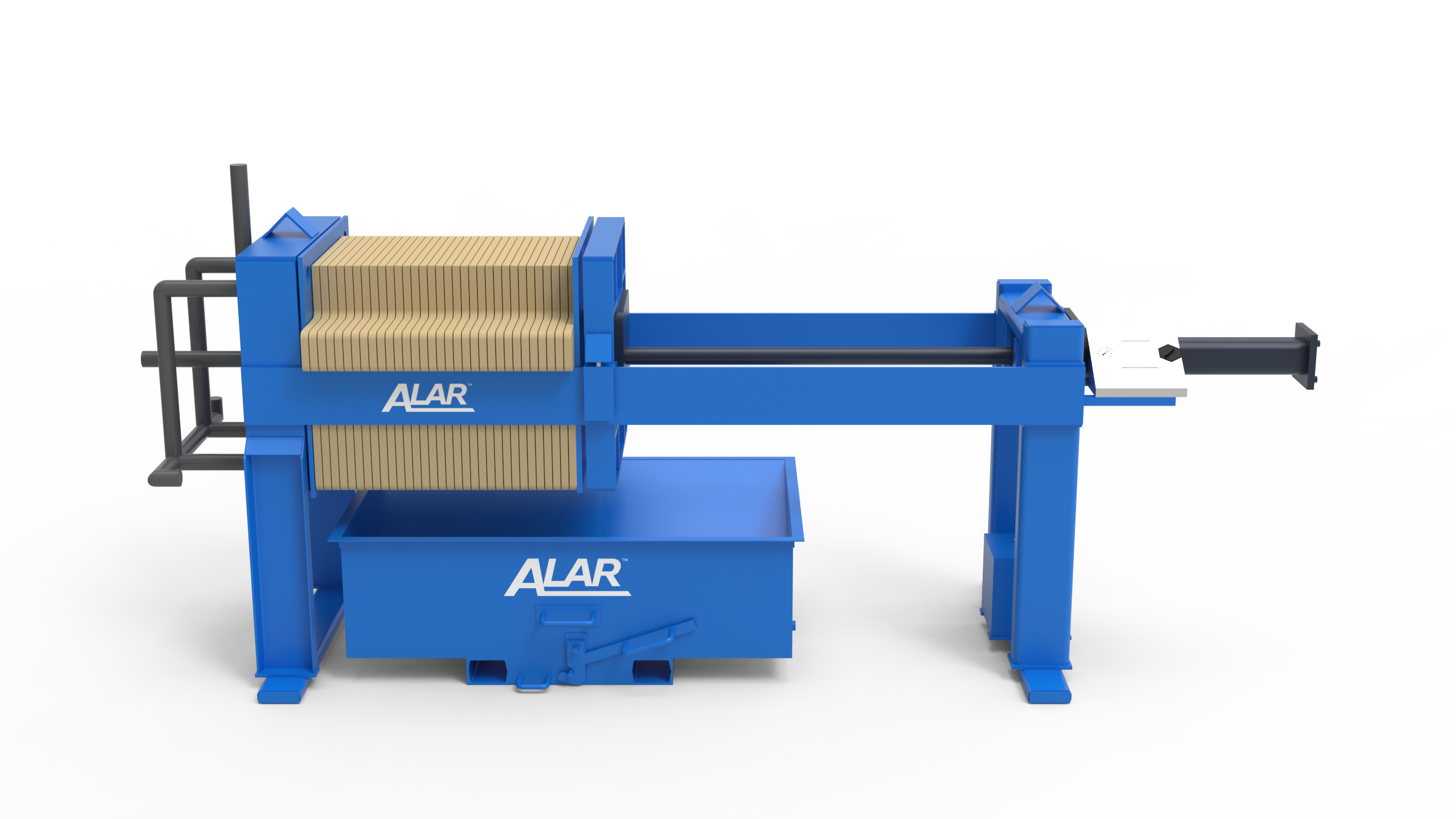
Belt Press PAM Purchasing: Drainage, Cake Release and Washwater
Specify cationic PAM for a belt press with drainage, belt release, filtrate and washwater criteria that can be checked during acceptance.
Technical archive
Long-form notes on jar testing, cationic PAM for sludge dewatering, anionic PAM for mineral clarification, and site-level optimisation.
Specify cationic PAM for a belt press with drainage, belt release, filtrate and washwater criteria that can be checked during acceptance.
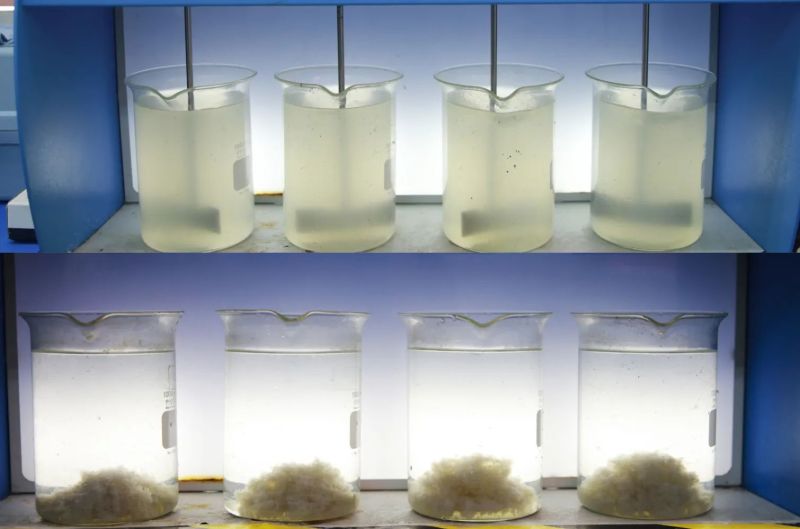
Choose brewery polymer samples using yeast content, sludge storage, separation duty and representative cleaning-cycle information.
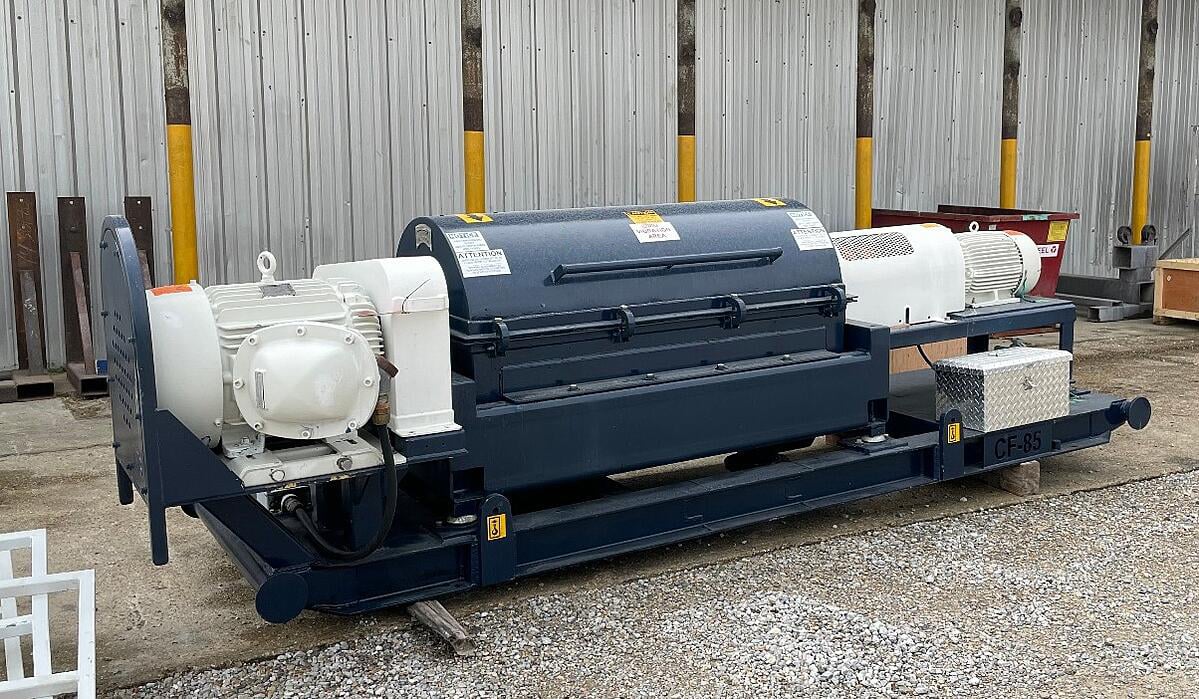
Compare centrifuge PAM bids using an agreed feed envelope, solids capture, throughput and acceptance procedure, not isolated cake dryness.
Ask the right questions before buying emulsion PAM for a centrifuge, including inversion equipment, dilution water and usable solution capacity.
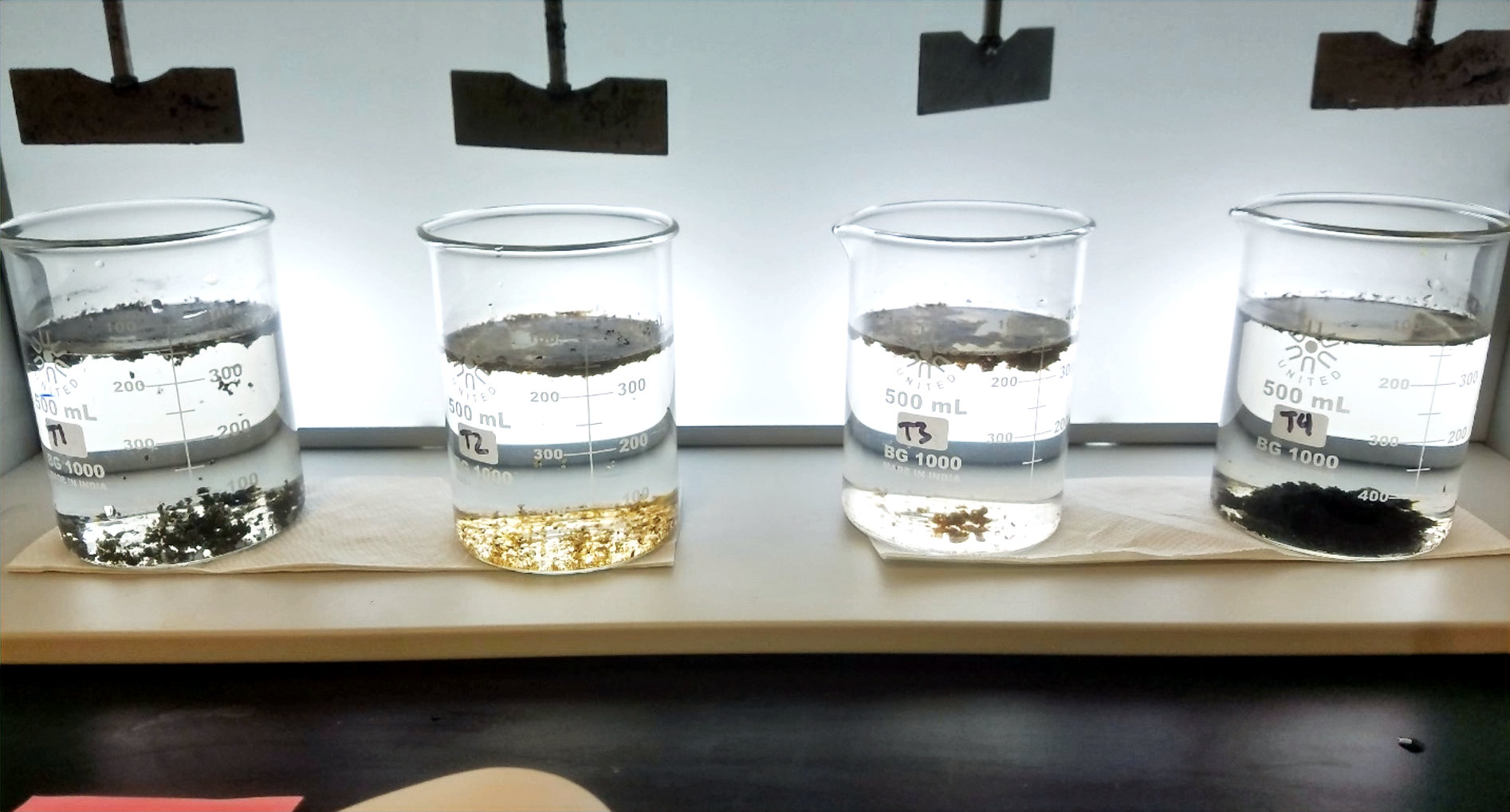
Separate flocculant supply, rental treatment equipment, monitoring and solids handling in a construction dewatering quotation.
Specify dry PAM big-bag delivery around lifting, discharge, moisture protection and dosing access before comparing bulk packaging prices.
Request food-factory DAF polymer quotations that cover production changes, cleaning cycles, flotation quality and sludge handling.
Specify polymer for metal hydroxide sludge after verifying precipitation conditions, solids separation and downstream sludge requirements.
Build a PAM supply agreement with batch identification, retained samples and a fair process for investigating changed treatment performance.
Specify polymer trials for paper-mill primary sludge with fibre, filler and production-grade variation included in the purchasing comparison.
Clarify IBC ownership, return conditions, residual polymer handling and grade-change controls in a liquid polymer purchase contract.
Plan PAM call-off supply around seasonal demand, usable storage life, packaging and delivery readiness rather than annual volume alone.
Define approval steps for PAM grade, formulation, packaging and manufacturing-source changes before a supplier substitutes contracted material.
Resolve missing PAM bid assumptions on product basis, equipment, trials, logistics and support before comparing final supply offers.
Specify supplier attendance, sampling, reporting, operator handover and repeat visits when buying technical support for a PAM trial.
Compare quarry thickener flocculants using overflow, underflow density, pumping and rake constraints alongside settling performance.
Evaluate filter press polymer offers against complete cycle output, filtrate quality, cake release and cloth cleaning instead of early clarity.
Prepare a screw press polymer RFQ covering floc strength, drainage-screen behaviour, filtrate quality and sustained operating capacity.
Compare sludge polymer supply costs using consistent dry-solids measurements, inventory reconciliation and a clearly stated commercial dose basis.
Qualify an alternative PAM supplier with controlled preparation, plant trials, stock separation and documented substitution approval.
Diagnose uneven filter press cake thickness across chambers by checking filling, ports and filtrate paths before making a blanket polymer-dose change.
Distinguish particulate removal from dissolved COD in landfill leachate and define a realistic polymer trial before purchasing a clarification upgrade.
Check a rental polymer skid against site utilities, preparation capacity, interlocks and measured output before interpreting a supplier trial result.
Assess potato-processing wastewater by stream, recoverable starch and dissolved load before selecting a polymer-assisted separation programme.
Compare dewatering energy per dry tonne using a clear meter boundary and matched throughput, alongside polymer dose, cake quality and solids capture.
DAF Float Too Wet? Polymer, Recycle or Skimmer Checks. Review operating evidence, product suitability and purchasing decisions.
Industrial Wastewater Polymer Trial Sampling Plan for UK Sites. Review operating evidence, product suitability and purchasing decisions.
Metal Finishing Wastewater: Polymer After Hydroxide Precipitation. Review operating evidence, product suitability and purchasing decisions.
Textile Wastewater Colour and Solids: Polymer Screening Plan. Review operating evidence, product suitability and purchasing decisions.
Wastewater Polymer Delivery and Storage Checklist for UK Buyers. Review operating evidence, product suitability and purchasing decisions.
Dissolved Air Flotation Polymer Trial for Food Wastewater. Review operating evidence, product suitability and purchasing decisions.
Wastewater Polymer Tender Specification: What UK Buyers Should Include. Review operating evidence, product suitability and purchasing decisions.
Aggregate Silt Lagoon Polymer Treatment Before Dredging. Review operating evidence, product suitability and purchasing decisions.
Cationic Polymer for Brewery Wastewater Sludge Dewatering. Review operating evidence, product suitability and purchasing decisions.
Polymer Audit for Industrial Wastewater Plants: A Practical Scope. Review operating evidence, product suitability and purchasing decisions.
Polymer Make-Down Operator Training Checklist. Review operating evidence, product suitability and purchasing decisions.
When to Retest Polymer After Wastewater Process Changes. Review operating evidence, product suitability and purchasing decisions.
Centrifuge Torque Spikes During Polymer Trials: What To Check. Review operating evidence, product suitability and purchasing decisions.
Construction Dewatering Water Treatment With Anionic Polymer. Review operating evidence, product suitability and purchasing decisions.
Food Factory CIP Wastewater and Polymer Dose Variability. Review operating evidence, product suitability and purchasing decisions.
Paper Mill Wastewater Flocculant Screening for Fibre and Fines. Review operating evidence, product suitability and purchasing decisions.
Polymer Supplier Audit Questions for UK Water Utilities. Review operating evidence, product suitability and purchasing decisions.
DAF Sludge Polymer Trial Checklist for Food and Beverage Sites. Review operating evidence, product suitability and purchasing decisions.
Polymer Residual Concerns in Treated Wastewater: Practical Controls. Review operating evidence, product suitability and purchasing decisions.
Quarry Wash Plant Water Balance and Flocculant Dose Control. Review operating evidence, product suitability and purchasing decisions.
Seasonal Temperature Effects on PAM Make-Down and Dewatering. Review operating evidence, product suitability and purchasing decisions.
Wastewater Polymer Trial Report Template for Procurement Teams. Review operating evidence, product suitability and purchasing decisions.
Anionic Polymer for Industrial Clarifier Overflow Control. Review operating evidence, product suitability and purchasing decisions.
Belt Press Cake Solids Improvement with Cationic PAM. Review operating evidence, product suitability and purchasing decisions.
Municipal Centrifuge Polymer Trial Plan for UK Wastewater Works. Review operating evidence, product suitability and purchasing decisions.
Trade Effluent Polymer Screening for Consent Risk Reduction. Review operating evidence, product suitability and purchasing decisions.
Wastewater Polymer Supplier Questions Before a Plant Trial. Review operating evidence, product suitability and purchasing decisions.
A practical article on managing floc strength, polymer response and sludge handling during storm peaks at coastal wastewater works.
Guidance for food factory wastewater teams choosing cationic PAM and related treatment chemistry for DAF systems.
How wastewater and industrial sites can reduce PAM usage carefully while protecting clarity, dewatering and discharge compliance.
A field plan for quarry and aggregate sites testing anionic PAM for tailings settlement, thickener clarity and filter press performance.
A practical audit-style article for UK water teams reviewing sludge dewatering polymer use, cake solids, centrate clarity and make-down control.
A practical field checklist for polymer make-down systems, dilution water, ageing time, pump calibration and operator checks in wastewater treatment plants.
How anionic PAM helps reduce turbidity spikes, improve floc settlement and stabilise clarifier overflow in mineral, aggregate and industrial wastewater systems.
A field guide to diagnosing cationic PAM performance problems on belt filter presses, from floc size and drainage to cake release and polymer dose.
How to translate jar test results into plant dosing settings, injection points, make-down routines and full-scale performance checks.
How wastewater plants can reduce PAM consumption by improving dose control, make-down, mixing and performance monitoring without sacrificing water clarity or dewatering.
Evaluate municipal sludge polymer with matched solids records, centrate quality, preparation checks and a transparent disposal-cost calculation.
Evaluate tailings polymer against recovered water, dewatering output and disposal mass using site data rather than unverified savings claims.
Compare food-plant PAM using sludge variation, dewatering output, returned liquid and actual operating costs.
Build a polymer cost comparison from measured consumption, solids handling and operating records without assuming guaranteed savings.
Review quarry clarification using representative fines, lagoon hydraulics, sludge withdrawal and controlled polymer screening.
Screen anionic PAM for mineral-rich wastewater using representative feed, controlled preparation and complete solids-handling checks.
Plan PAM jar tests with representative samples, controlled preparation, a dose response and clear limits on scale-up conclusions.
Assess cationic PAM using sludge character, preparation quality, solids capture and the requirements of the actual dewatering equipment.
PAM product enquiries and sample requests
Request a quotationWhatsApp: +86 199 3767 3999Email XinqiCall: +86 199 3767 3999Xinqi official website