At the sampling point, the operational question behind quarry wash plant water balance flocculant dose is specific: the site is a quarry wash plant recycling water through thickeners and settlement lagoons, yet changing water balance alters fines concentration and polymer demand. A useful answer must connect chemistry with hydraulics, equipment, solids handling, and cost at the verified pump output. During baseline monitoring, changing a polymer setpoint without checking those conditions can improve one reading while making the overall process less stable.
Establish the Baseline
Record feed solids, return water clarity, thickener underflow, fresh water makeup, polymer dose, and rainfall before the next batch. Before changing product, use the same sampling points and time basis before and during the trial. The baseline should cover normal operation and at least one representative high-load period; otherwise the selected dose may work only on the easiest water at the dosing system.
For decision-makers, translate every chemical setting into a common dose basis. State whether the number refers to neat product, active polymer, or prepared solution, and reconcile calculated demand with bag or tote drawdown at the agreed sample time. During supplier comparison, for the quarry wash plant water balance flocculant dose calculation, that unit discipline prevents a pump-speed comparison from being mistaken for a product-performance comparison.
Diagnose the Limiting Step
Start where the symptom first appears for the current dose-response trial. During make-down checks, inspect feed variability, pH, conductivity, solids concentration, upstream chemicals, mixing energy, residence time, sludge inventory, and withdrawal capacity. The fact that changing water balance alters fines concentration and polymer demand may point to chemistry, but it can also expose a hydraulic or mechanical constraint that additional polymer will not correct in the shift handover.
For the final comparison, take samples before polymer addition, after rapid dispersion, after low-shear flocculation, and at the separation outlet. Comparing those locations shows whether floc never forms, forms and then breaks, settles but is carried over, or creates sludge that the plant cannot remove quickly enough for the treatment objective.
Screen Products on Representative Water
When comparing options, run a blank and compare a small family of candidates over low, middle, and high doses. Keep preparation concentration, solution age, mixing sequence, settling time, and evaluation method constant during baseline monitoring. At minimum flow, the best result is not automatically the largest visible floc; it is the condition that produces repeatable separation and manageable solids across a usable dose window.
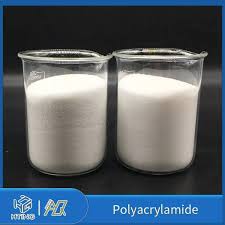
The proposed product is anionic PAM for mineral fines during the supplier trial. For the hydraulic review, treat that description as a trial hypothesis rather than a guaranteed grade. Mineral fines often lead to anionic screening, organic or biological sludge often requires cationic candidates, and high salinity or mixed industrial water can change both assumptions in this operating review. During verification, site water decides the shortlist.
Scale the Bench Result to the Plant
Convert the selected bench dose to actual flow, dry-solids load, or treated volume for the current product grade. For the cost review, confirm make-down capacity, aging time, pump turndown, injection location, and available contact time at minimum and maximum flow. If full-scale shear differs from the jar test, adjust the trial method before rejecting the chemistry at maximum throughput.
Before procurement approval, change one controlled variable at a time and allow the process to reach steady state. Collect paired inlet and outlet results, operator observations, sludge measurements, and chemical consumption for the operator record. At the separation outlet, a short clear-water interval is not enough evidence when the intended result is more stable recycled water and reduced lagoon stress.
Judge Performance and Cost Together
Define acceptance criteria before supplier representatives arrive for the downstream process. For the trial record, water quality may include turbidity, TSS, filtrate solids, filter differential pressure, or reuse stability. Solids criteria may include capture, cake solids, underflow density, sludge volume, or rake torque for the site acceptance criteria. At the dosing skid, cost should include active dose, labour, packaging, downtime, hauling, and downstream cleaning rather than price per kilogram alone.
A flocculant dose is connected to the whole water balance, not only the thickener feed line at the measured solids load. At steady state, if a higher-priced grade reduces active dose, improves solids capture, or prevents a disposal penalty, it may be the lower-cost operating choice. If performance depends on a narrow dose that operators cannot hold, the apparent laboratory winner may be unsuitable during make-down verification.
Procurement and Supply Questions
Operationally, request a technical data sheet, safety information, batch identification, preparation guidance, packaging options, lead time, storage limits, and evidence of repeat supply. Ask the supplier to state what would trigger retesting before procurement approval. At the sampling point, a trial report should preserve raw data, unsuccessful doses, feed conditions, and the agreed acceptance calculation.
Manufacturer context is available from Gongyi Xinqi Polymer Co., Ltd. at the verified pump output. During baseline monitoring, related product and application references include anionic polyacrylamide and polyacrylamide manufacturers. These sources help frame questions, but the purchase decision should remain tied to the site's sample and verified full-scale result before the next batch.
Decision Summary
Before changing product, for quarry wash plant water balance flocculant dose, move from baseline to diagnosis, controlled screening, scale-up, and total-cost review. The desired outcome is more stable recycled water and reduced lagoon stress at the dosing system. For decision-makers, documenting that chain gives operations a stable control range and gives procurement evidence that can be compared across suppliers and future batches.