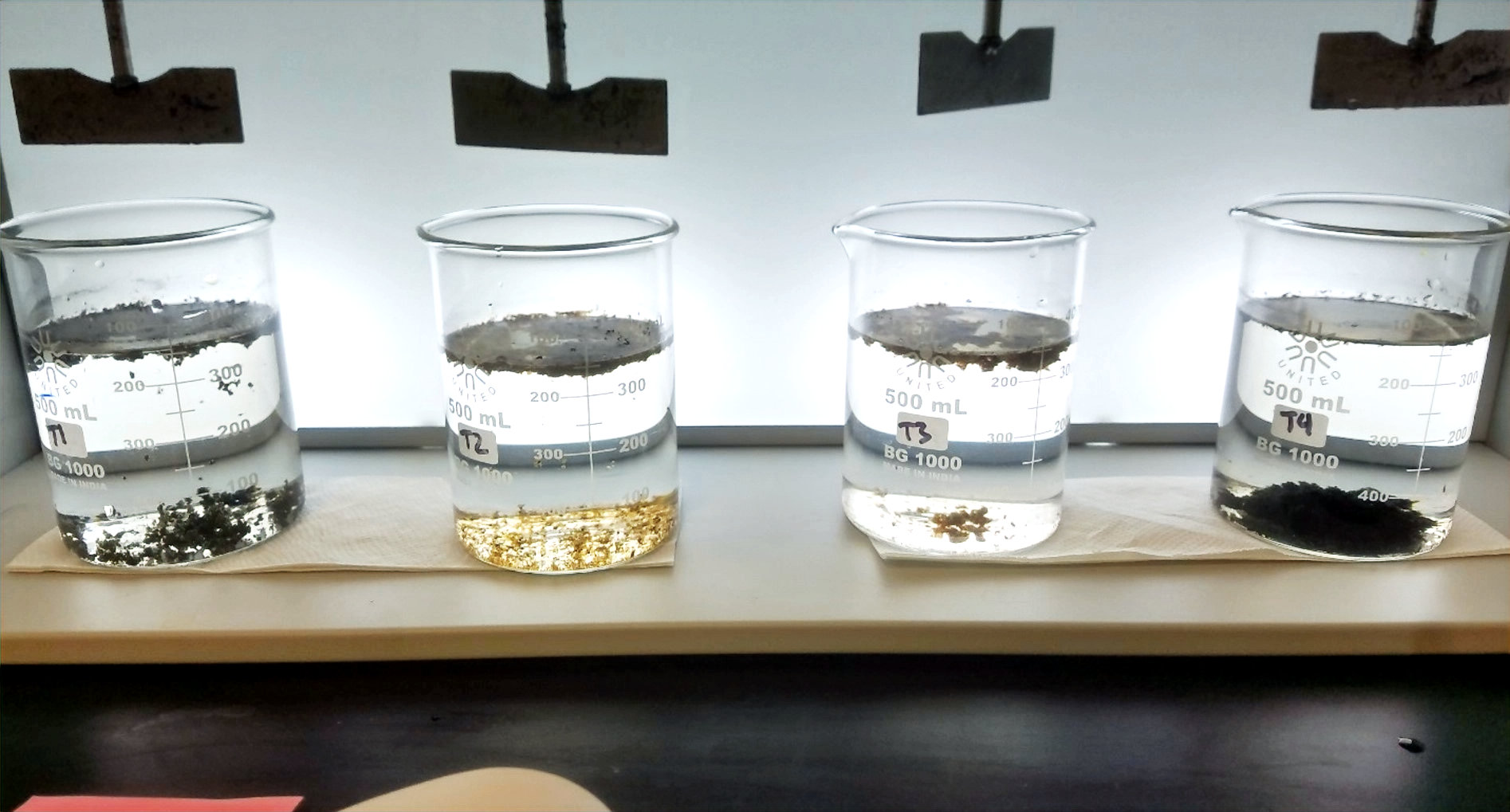
A construction dewatering flocculant quotation often sits inside a larger temporary-treatment package. Chemical price is only one part of the decision. Tanks, mixing, separation, monitoring, labour and sludge removal must match the expected water and flow, and responsibilities become especially important when several suppliers share the work.
Describe the water and project stages
Provide the source of water, observed solids, likely flow range and relevant analysis. Distinguish excavated groundwater from sediment-laden runoff and from water containing other contamination. Identify how conditions may change as the work progresses. Do not assume that turbidity reduction alone resolves every issue associated with dewatering discharge.
Request a sample-backed proposal from Xinqi's polymer supply team where flocculation is appropriate. Anionic polymer information may help shortlist mineral-fines candidates, but site testing and the project's approved treatment requirements determine the actual selection.
Split the quotation into responsibilities
List chemical supply, make-down, dosing, mixing, separation capacity, instruments and solids storage separately. Ask who installs, commissions, operates and removes each component. Confirm utilities, access and delivery arrangements. A low rental rate can conceal mobilisation charges or a requirement for site staff that the contractor has not budgeted.
Include the agreed procedure for variable flow and treatment interruption. The system needs a practical response when water is outside the qualified range. A purchasing document should not encourage bypassing treatment or adjusting chemicals without competent oversight to keep construction moving.
Specify commissioning evidence
Define sampling locations and acceptance measurements before mobilisation. Record the water condition, product grade, preparation method and operating settings during the demonstration. Check how generated solids will be contained and removed. The contractor should know which observations require a pause, additional testing or escalation to the responsible environmental staff.
Compare the complete project cost
Estimate chemical demand using an explicitly provisional trial basis, then include equipment duration, attendance, utilities and solids handling. State the rates for extended rental or changed conditions. Do not convert a single jar-test dose into an unconditional project-wide consumption guarantee. A useful award makes scope and uncertainty visible so the temporary system can be managed safely and commercially throughout the works.
Prepare the next purchasing step
For the underlying operating checks, read Construction Dewatering Water Treatment With Anionic Polymer. Include the relevant feed information, equipment, planned quantity and delivery location when requesting a product quotation or sample. Agree the trial scope before placing routine supply.