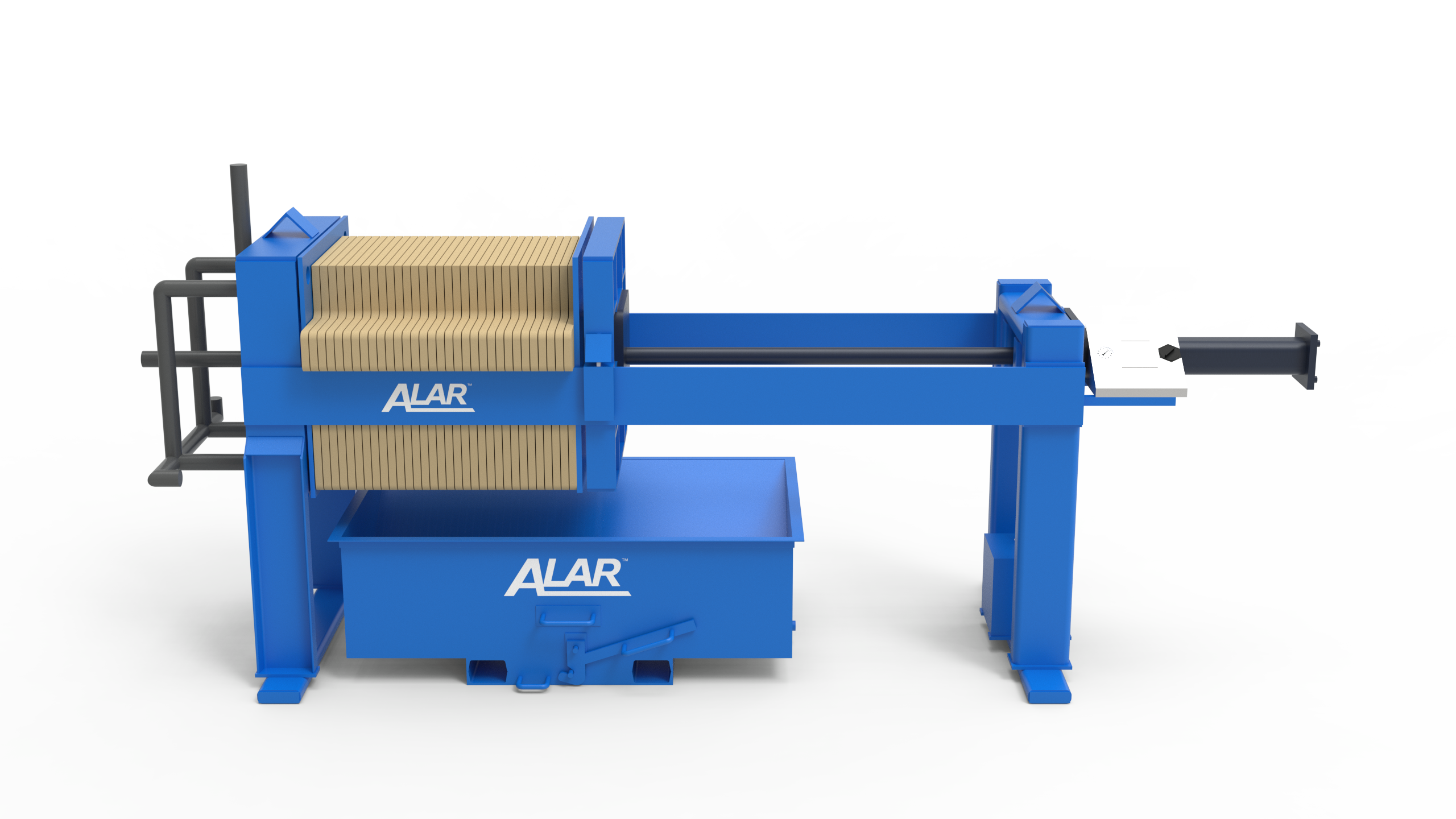
Screw press flocculant purchasing should start with the actual separation mechanism and feed, rather than a grade that worked on a neighbouring centrifuge. A candidate must create drainable floc that survives the site mixing arrangement without producing unacceptable filtrate or deposits. Confirm the exact equipment design because screw-based dewatering systems do not all use the same screening and cleaning arrangement.
Give the supplier a useful equipment brief
Include press model, screen or ring configuration, feed flow and dry solids, mixing tank arrangement and current chemical preparation equipment. Record sludge origin and storage time. Tell bidders whether the limiting problem is poor drainage, solids loss, unstable feeding or cake handling. Those are different purchasing requirements even when operators describe each one as wet sludge.
The cationic polyacrylamide family is a common screening starting point for biological sludge. Request identifiable trial grades through Xinqi's polymer enquiry team, but retain other chemistry options where the actual mixed feed requires them. Charge type alone does not establish compatibility.
Test drainage without hiding capture losses
Compare the candidate and incumbent on comparable feed, recording mixing conditions and time after dosing. During plant trials, collect filtrate and cake alongside feed samples. Fast drainage is not a benefit if substantial solids escape with the liquid. Record cleaning frequency and operator interventions across a sustained run rather than one convenient sample window.
Use the equipment manufacturer's limits for mechanical adjustments. A chemical comparison should not depend on settings that compromise machine protection. If feed becomes unrepresentative, label the data and agree whether to repeat the run.
Separate supply scope from retrofit scope
Ask for the delivered product price, expected dose basis, preparation requirements and minimum order. Obtain a separate list of modifications to storage, wetting, maturation or injection. Identify who supplies fittings, training and commissioning support. An apparent low-cost product can require equipment or attendance omitted from the initial quotation.
Define a purchase release gate
Release routine supply after the agreed throughput, solids capture, cake handling and cleaning criteria have been demonstrated. Record the accepted operating range and what happens when the sludge blend changes. Require batch traceability and advance notice of product substitution. The purchase file should make clear that passing a laboratory screen authorises a plant trial, not an unconditional long-term supply commitment.
Prepare the next purchasing step
For the underlying operating checks, read Cationic PAM for Sludge Dewatering: Feed and Equipment Checks. Include the relevant feed information, equipment, planned quantity and delivery location when requesting a product quotation or sample. Agree the trial scope before placing routine supply.