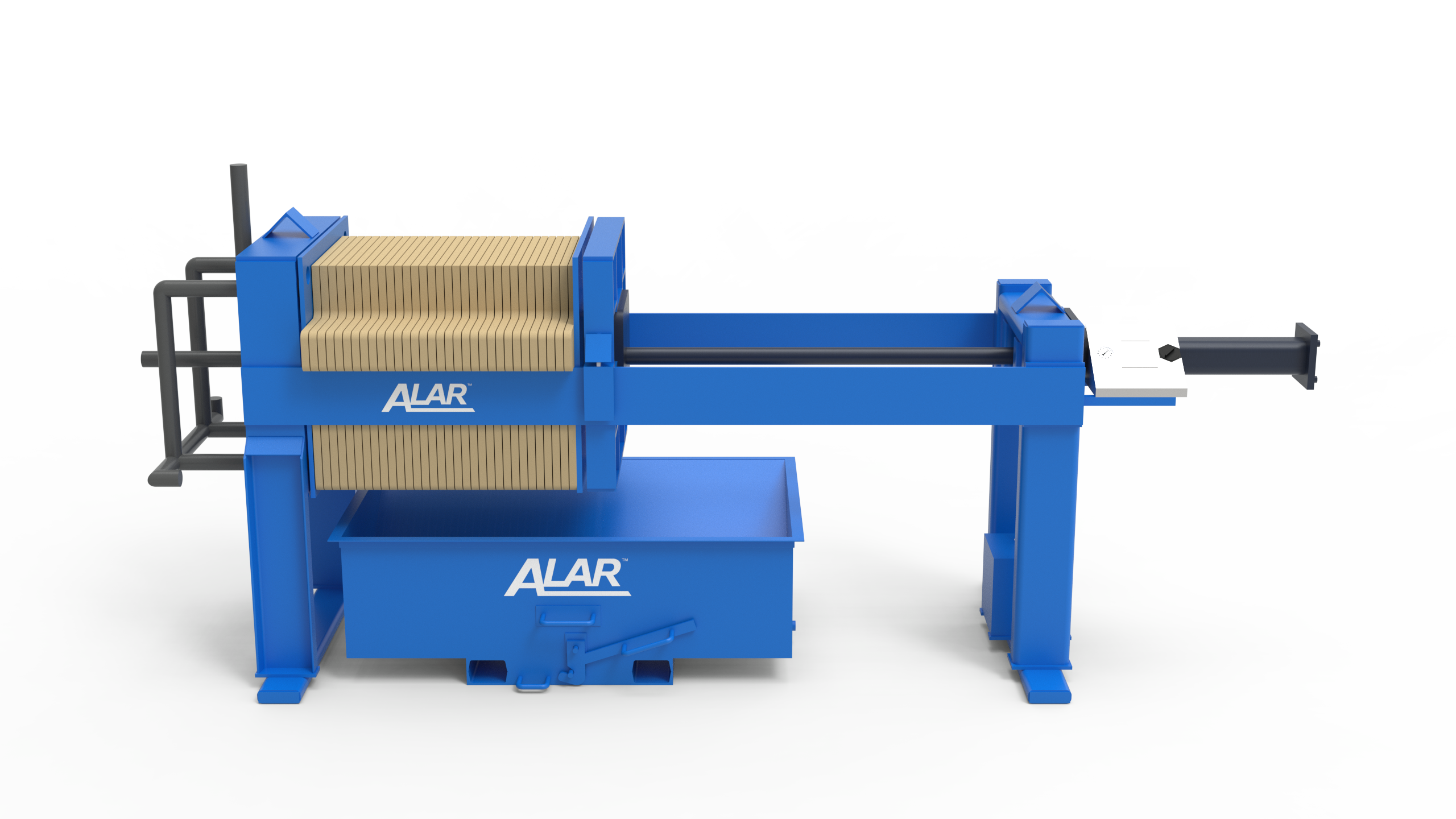
A belt press PAM quotation should explain how the candidate behaves before and after the pressure zone. A strong-looking floc in a beaker does not show whether the gravity section drains, whether solids migrate through the belt or whether cake releases cleanly. These differences affect labour, washwater demand and the amount of useful press time bought with each delivery.
Describe the belt and the sludge
Provide belt width, fabric information where available, normal speed, feed-solids range and the sludge blend. Include photographs of existing drainage and release problems without presenting them as proof of a chemical cause. Check spray nozzles and belt condition before the trial; a blinded or damaged belt can make an otherwise suitable candidate appear poor.
When requesting cationic polymer samples, state whether the feed contains biological solids, primary sludge or an industrial mixture. Ask Gongyi Xinqi Polymer to identify the grade and preparation instructions supplied with each sample, so the trial can be reproduced after purchase.
Observe four separate outcomes
Record free drainage in the gravity zone, filtrate quality, cake solids and belt release. Include washwater flow or a consistent usage measure. Keep belt speed and feed conditions documented while changing one trial variable at a time. Better cake solids obtained only through a much slower belt should be costed as a throughput trade-off.
Observe start-up and sustained operation. A product that initially drains well may leave sticky deposits or increase cleaning later in the shift. Operator observations are useful, but pair them with measurements rather than relying on descriptions such as strong floc or dry cake.
Request an equipment-compatible offer
The offer should cover preparation concentration, maturation, solution storage and pump capability for the proposed product. Confirm whether an existing powder unit or emulsion system can handle it. Where a retrofit is needed, obtain its separate cost and responsibilities before treating the chemical offer as comparable to the incumbent.
Agree the commercial decision
Set acceptance limits for throughput, filtrate, cake handling and cleaning before suppliers attend. Compare product cost per dry tonne alongside washwater, operating hours and disposal mass. Retain the observed settings and batch number in the order file. A supply agreement should also explain how a repeated drainage or release problem is investigated, including sample retention and the conditions for a supervised retest.
Prepare the next purchasing step
For the underlying operating checks, read Belt Press Cake Solids Improvement with Cationic PAM. Include the relevant feed information, equipment, planned quantity and delivery location when requesting a product quotation or sample. Agree the trial scope before placing routine supply.