Quarry water circuits often look simple from a distance: dirty water enters, solids settle, clarified water returns. In practice, fine clays, variable feed, wash plant changes and limited pond capacity can make settlement painfully slow. A well-run anionic polymer trial can improve clarity, reduce pond pressure and support better filter press operation.
Define The Site Problem
Before ordering samples, define the target. Is the site trying to increase thickener overflow clarity, reduce pond carryover, improve underflow density, shorten filter press cycles or recover water faster? These are related but not identical. A product that gives the clearest overflow may not create the best underflow for pressing.
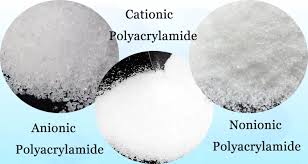
Mineral fines often respond to high molecular weight anionic polyacrylamide, but the exact molecular weight and charge density need testing. The main polyacrylamide manufacturer discussion should include slurry solids, mineral type, pH, water hardness, current coagulants and mixing conditions.
Build A Sensible Jar Test Matrix
Start with several anionic grades, not one. Include different molecular weights and charge densities. Test at several low dose points before jumping high. Record settling speed, supernatant clarity, floc strength, sludge bed compaction and response after gentle shear.
Quarry samples settle during transport, so mix consistently before each test. Do not test only the clear top layer. If the plant feed changes during the day, collect more than one sample. The goal is to find a treatment window, not a lucky jar.
Think About Mixing Energy
Anionic PAM needs enough mixing to contact fine particles, but excessive shear breaks bridges. A jar test with very gentle mixing may produce floc that fails in a turbulent pipe. A jar test with violent mixing may reject a product that would work with a better injection point.
During the field trial, compare injection locations. A short baffled zone, flocculant ring main or static mixer may work better than a high-shear pump discharge. Field observation matters: where does floc first appear, and does it survive to the thickener or pond?
Link Polymer Performance To Filter Press Results
For sites using a filter press, settlement is only part of the story. The underflow must feed the press consistently. Watch cycle time, cloth release, filtrate clarity and cake handling. A polymer programme that improves settling but creates difficult press cake needs adjustment.
Supplier comparison should include sample support and repeat quality. A China polyacrylamide factory reference can help buyers ask production and packaging questions, but the field trial should decide the grade.
The Trial Report
A practical trial report should include sample source, slurry solids, product grade, solution concentration, ageing time, dose, mixing method, settling result, overflow clarity and operator comments. Keep photographs of jars and field floc. These details make future troubleshooting easier.
The best quarry polymer programmes are not mysterious. They are repeatable: known slurry, known product, known dose range, known injection point and clear operating checks. <!-- seo-depth-expansion -->
Evidence Pack for Technical Review
For Quarry Tailings Anionic Polymer Trial Plan for Faster Settlement, assemble a time-matched baseline before changing product or dose for consent review. For the operator record, the pack should show flow, feed solids, pH, temperature, current chemical consumption, outlet quality, sludge condition, equipment settings, and the production events that change the wastewater. Use representative composite samples where the load varies across shifts, batches, rainfall, or cleaning cycles for consent review.
At the dosing skid, during a trial, record the candidate grade and batch, preparation concentration, solution age, calibrated pump output, injection point, and the time allowed to reach steady state. Pair laboratory results with operator observations and downstream effects for consent review. At steady state, a lower turbidity result has limited value if sludge volume, cake dryness, filter loading, consent risk, or labour becomes worse.
Stop, Continue, and Procurement Criteria
Set numerical or clearly observable limits for Quarry Tailings Anionic Polymer Trial Plan for Faster Settlement before the test begins for consent review. For procurement, stop when the discharge or safety limit is threatened, the feed changes outside the agreed envelope, floc breaks before separation, or the chemical system cannot hold the intended dose. Continue only after the cause is documented; otherwise extra run time adds noise rather than confidence for consent review.
The procurement comparison should normalise active dose and include delivered price, packaging, lead time, technical attendance, make-down requirements, sludge disposal, and any effect on compliance or production continuity. Keep unsuccessful doses in the report so a future team does not repeat them for consent review. Before supplier comparison, this evidence turns quarry tailings anionic polymer trial plan for faster settlement from a general recommendation into a repeatable UK site decision.