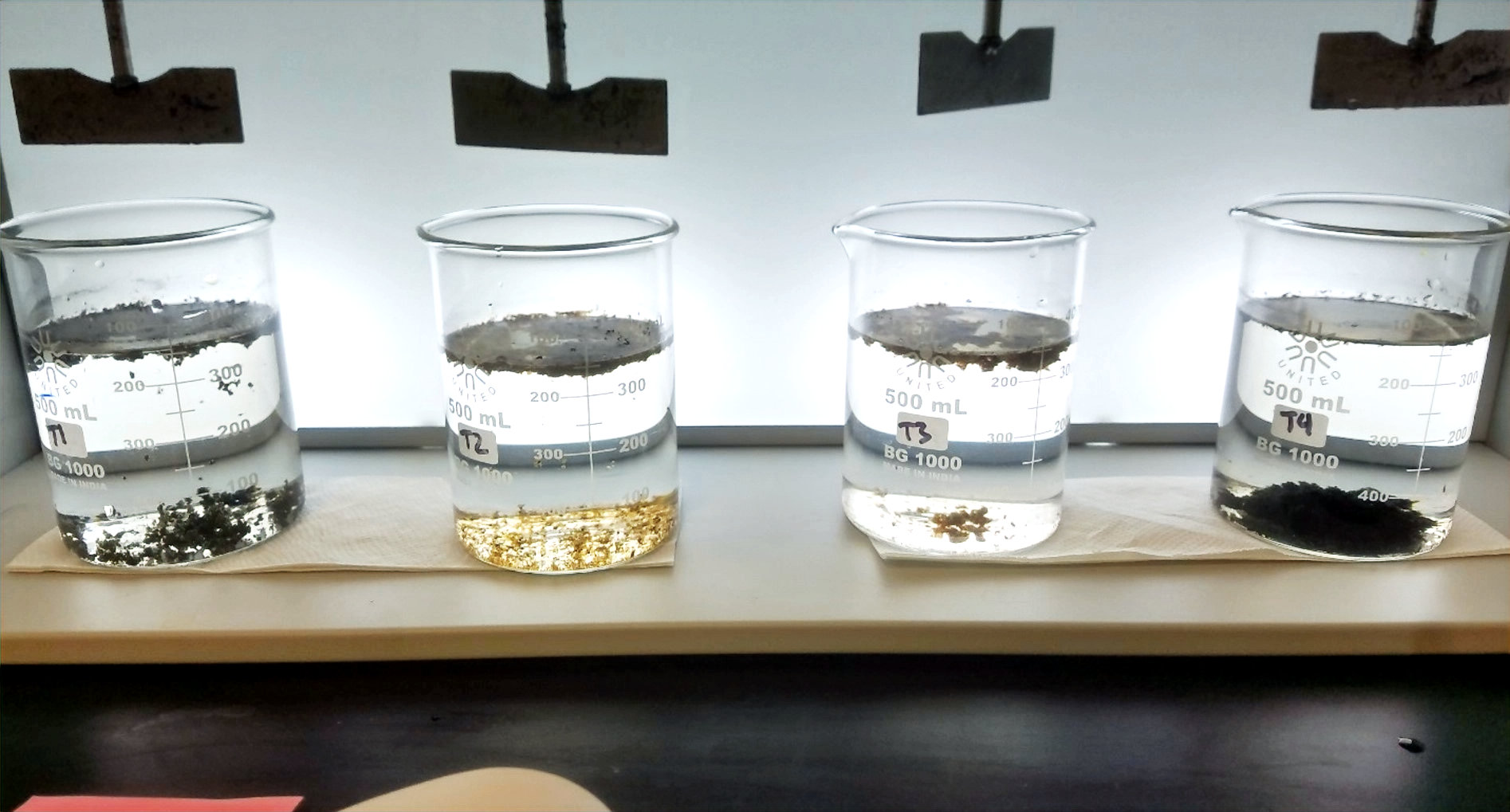
Food-plant sludge contains a changing mixture of production residues and treatment solids. A polymer comparison should reflect that variation rather than claim a universal cost reduction. This guide is a purchasing framework, not a verified customer success story.
Identify the sludge mixture
Record the contribution of DAF solids, biological sludge and other approved streams. Include cleaning transitions and storage conditions where they affect the feed. Collect samples that represent the dewatering duty rather than only the clearest production interval.
Measure both separated streams
Track cake solids and handling together with filtrate or centrate quality and equipment throughput. Poor capture can return load to the wastewater process even when cake appears drier. Document the preparation method and avoid changing mechanical settings without the appropriate operating review.
Ask Xinqi Polymer for identifiable sample grades and review cationic PAM options against the actual sludge. Nominal product similarity is not proof of equivalent plant performance.
Include the costs beyond chemical
Compare commercial product use, operating time, cleaning, preparation and disposal on the same production basis. Keep quoted costs separate from measured consumption. A projection should show its assumptions rather than present one short trial as an annual guarantee.
Preserve an operating range
Accept the product only when it meets the agreed criteria across representative feed. Keep batch records, rejected conditions and operator instructions. Define the response to a changed production mix and retain a practical transition plan before replacing routine stock.