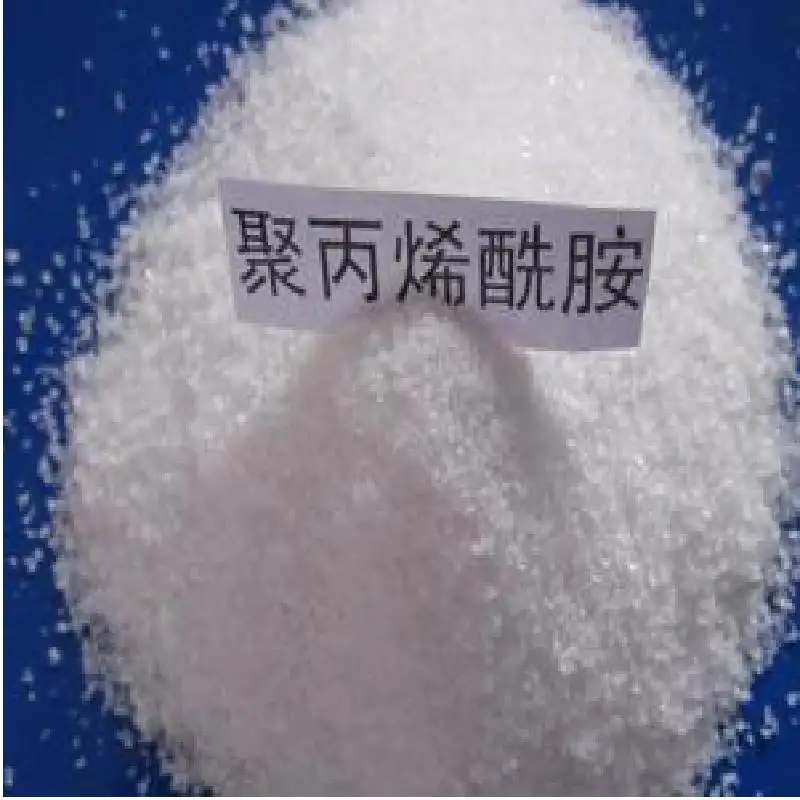
When I walk through a sludge dewatering building, I rarely start by asking whether the polymer is cheap. I start by asking where money is leaking. It may be in wet cake, cloudy centrate, excessive wash water, blocked strainers, over-aged polymer solution, poor pump calibration, or a dosing point that has never been reviewed since installation.
A sludge dewatering audit is not a hunt for someone to blame. It is a way of turning scattered symptoms into a practical improvement plan.
Cake Solids Are Only One Signal
Cake dryness matters because transport and disposal costs are real. But a site can chase cake solids too aggressively and create new problems. A higher polymer dose may improve cake release for a shift, then worsen centrate, foam, or downstream liquors. A useful audit looks at cake solids, centrate clarity, throughput, dose, operator intervention, cleaning frequency and equipment stability together.
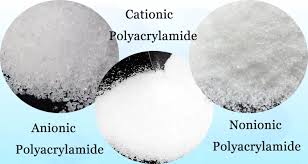
For biological sludge, a suitable cationic polyacrylamide grade is often central to the programme. The main PAM flocculant supplier conversation should include sludge type, equipment, current dose, make-down practice and site pain points, not just price.
Make-Down Is The First Audit Stop
Dry polymer must be wetted, hydrated and aged before it can perform. If the unit produces fish-eyes, under-hydrated solution or over-sheared polymer, the plant will waste product before it reaches the sludge. The audit should record dilution water source, solution strength, ageing time, tank turnover, pump type and injection pressure.
Small errors accumulate. A slipping pump, blocked dilution line or uncalibrated powder feeder can make a good product look inconsistent. Before changing grade, confirm that the site is actually feeding the dose it thinks it is feeding.
Injection Point And Contact Time
Polymer needs enough mixing to contact sludge solids, but not so much shear that floc is destroyed. Injection before a high-shear pump is a common hidden cost. Injection too close to the centrifuge or press may not give enough contact time. A visual check at the injection point and equipment inlet can reveal whether floc forms, survives and releases water.
An audit should test whether moving or modifying the injection point could lower dose. Sometimes a simple mixer change saves more than a supplier switch.
Procurement Needs Total Cost
Purchasing teams understandably compare delivered price. Operations teams live with dose, downtime and cake behaviour. Both views must be joined. A cheaper polymer that requires more active dose, produces wetter cake or increases operator time is not cheaper.
Broader polyacrylamide supplier information can help structure procurement questions, but the site should award routine supply based on total cost per dry tonne and repeat performance.
The Audit Output
A good audit ends with a short operating window: normal dose, stress dose, underdose signs, overdose signs, make-down settings, injection point, equipment settings and checks after each delivery. That document gives operators confidence and gives procurement a fair basis for supplier comparison.
The purpose is not to make dewatering exciting. It is to make it stable, measurable and less expensive. <!-- seo-depth-expansion -->
Evidence Pack for Technical Review
For UK Water Company Sludge Dewatering Audit: Where Polymer Programmes Usually Lose Money, assemble a time-matched baseline before changing product or dose for consent review. Before supplier comparison, the pack should show flow, feed solids, pH, temperature, current chemical consumption, outlet quality, sludge condition, equipment settings, and the production events that change the wastewater. Use representative composite samples where the load varies across shifts, batches, rainfall, or cleaning cycles for consent review.
During baseline sampling, during a trial, record the candidate grade and batch, preparation concentration, solution age, calibrated pump output, injection point, and the time allowed to reach steady state. Pair laboratory results with operator observations and downstream effects for consent review. Before the plant trial, a lower turbidity result has limited value if sludge volume, cake dryness, filter loading, consent risk, or labour becomes worse.
Stop, Continue, and Procurement Criteria
Set numerical or clearly observable limits for UK Water Company Sludge Dewatering Audit: Where Polymer Programmes Usually Lose Money before the test begins for consent review. For the UK site team, stop when the discharge or safety limit is threatened, the feed changes outside the agreed envelope, floc breaks before separation, or the chemical system cannot hold the intended dose. Continue only after the cause is documented; otherwise extra run time adds noise rather than confidence for consent review.
During scale-up, the procurement comparison should normalise active dose and include delivered price, packaging, lead time, technical attendance, make-down requirements, sludge disposal, and any effect on compliance or production continuity. Keep unsuccessful doses in the report so a future team does not repeat them for consent review. For consent review, this evidence turns uk water company sludge dewatering audit: where polymer programmes usually lose money from a general recommendation into a repeatable UK site decision.