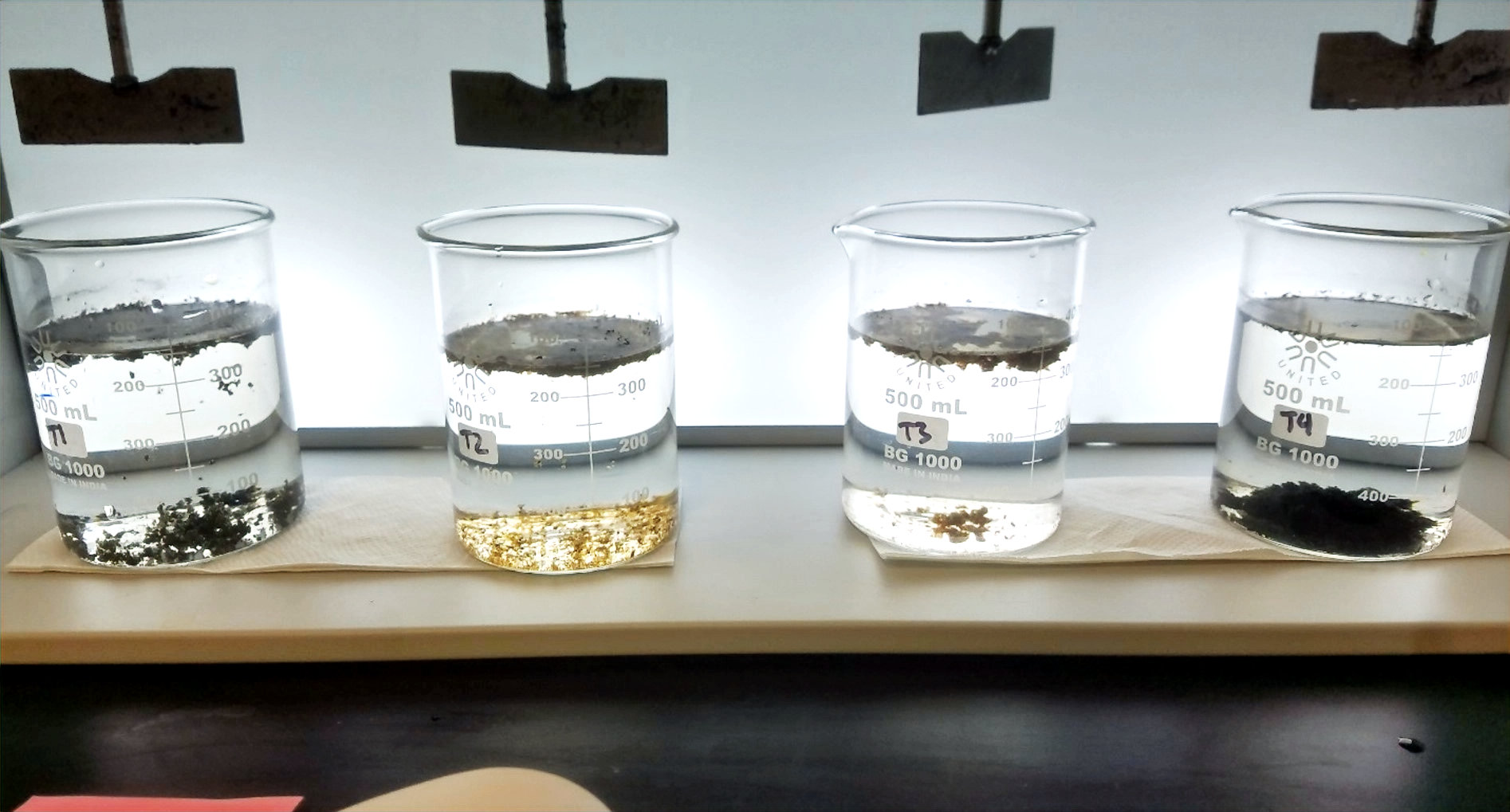
A metal hydroxide sludge polymer RFQ should begin with the upstream precipitation process. PAM can assist the separation of formed solids, but a product offer should not be treated as a promise to remove dissolved metal that has not been brought into a separable form. Procurement needs enough process information to avoid buying a flocculant against the wrong treatment problem.
Describe the feed after precipitation
Identify the relevant metal-bearing streams, precipitation chemistry and the controlled endpoint used by the plant. Record pH, solids concentration and known process variation. Keep dissolved and suspended measurements distinct where the assessment requires them. A clear sample is not evidence that all treatment objectives have been achieved.
Ask Xinqi for a polymer screening proposal based on this feed. Compare relevant charged candidates and, where justified by the sample, nonionic PAM options. Do not select a product solely from the phrase metal-finishing wastewater or from one nominal molecular-weight claim.
Test the complete sequence
Preserve precipitation conditions while comparing polymer preparation, addition and separation. Record whether the target is settling, thickening or filter-press feed conditioning. Evaluate supernatant or filtrate and the physical behaviour of the solids. A fluffy, rapidly settling sludge may create more downstream volume than the plant can handle.
If upstream conditions change during a trial, label the results and investigate before assigning a product ranking. Maintain the site's approved operating and discharge controls throughout; a procurement exercise does not change treatment permissions or acceptance requirements.
Specify the evidence required for an offer
Request sample identity, technical and safety documents, preparation instructions and a proposed trial dose range for controlled evaluation. Include the intended separation equipment and available mixing time. Ask bidders to explain any assumptions about coagulant use or conditioning ahead of the polymer.
Connect the order to sludge handling
Compare chemical consumption with captured solids, sludge volume, press behaviour and disposal requirements. Do not assume that polymer changes the classification or permitted destination of the sludge. Put the accepted operating envelope and the retesting triggers into the purchase file. Bulk supply should follow a repeatable separation result with upstream chemistry under control, rather than an unverified claim that more flocculant will compensate for incomplete precipitation.
Prepare the next purchasing step
For the underlying operating checks, read Metal Finishing Wastewater: Polymer After Hydroxide Precipitation. Include the relevant feed information, equipment, planned quantity and delivery location when requesting a product quotation or sample. Agree the trial scope before placing routine supply.