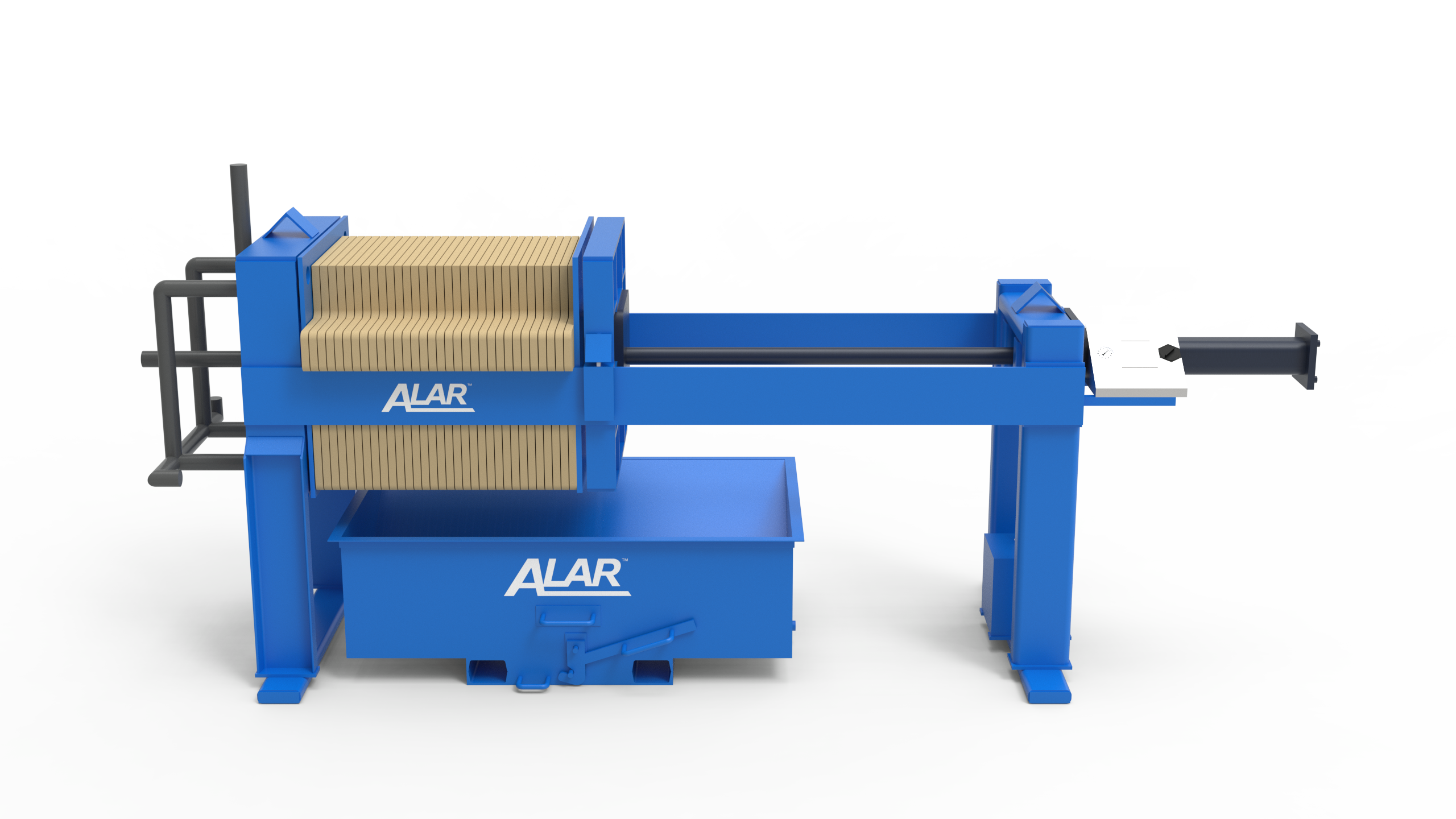
Paper-mill primary sludge polymer purchasing should account for the changing balance of fibre and mineral filler. A grade qualified during one production campaign may not represent another furnish or coating mix. Buyers need a specification that follows the actual sludge stream rather than a general promise of better paper-mill water treatment.
Keep application boundaries clear
Identify whether the product is for wastewater clarification, primary-sludge thickening or mechanical dewatering. Do not transfer a wet-end retention recommendation to wastewater treatment without a separate assessment. Record where other chemicals enter and whether biological sludge is blended before the purchasing duty.
Give Xinqi Polymer the feed description and equipment information when requesting samples. Anionic polyacrylamide information can help frame mineral-rich clarification candidates, while other charges may be appropriate for different sludge mixtures. The sample programme should resolve that choice rather than assuming it from the industry name.
Include production-grade variation
Select representative production periods and record furnish or filler changes relevant to the sampled stream. Measure feed solids where possible and preserve the sample timing. Compare the candidate against the incumbent under matched conditions. A cleaner filtrate during a different production grade is not enough evidence that polymer alone caused the change.
Assess drainage, filtrate or overflow quality, solids capture and cake handling as appropriate to the equipment. Include cleaning and deposition observations during a sustained trial. A product that gives rapid initial separation may still create an unacceptable handling or return-water problem later.
Request a documented supply offer
The quotation should identify grade, product form, preparation requirements, package size and delivery lead time. Ask whether changing product requires adjustments to make-down equipment or injection arrangements. Separate those costs from the price per kilogram so bidders can be compared on an equivalent installed basis.
Agree when qualification expires
Record which feed conditions and production grades the accepted trial covered. Establish a review trigger for a major furnish change, new upstream chemistry or different sludge blend. A long-term supply arrangement should provide a process for reassessment, not imply that an accepted polymer is permanent across all future mill conditions. Preserve the baseline data and agreed calculation so procurement can distinguish process change from a supply-quality concern.
Prepare the next purchasing step
For the underlying operating checks, read Paper Mill Wastewater Flocculant Screening for Fibre and Fines. Include the relevant feed information, equipment, planned quantity and delivery location when requesting a product quotation or sample. Agree the trial scope before placing routine supply.