Second-source wastewater polymer purchasing is most useful before an urgent shortage. An alternative with a similar charge description is not automatically interchangeable with the incumbent. Preparation behaviour, dose response and separation performance can differ, so procurement should establish a qualified fallback rather than a catalogue substitute that has never reached the plant.
Define what the fallback must do
State the treatment duty, accepted throughput, outlet or filtrate requirements and the available preparation system. Decide whether the alternative must match the incumbent's normal operating capacity or provide a documented temporary reduced-capacity option. An emergency-only arrangement should say so clearly; otherwise purchasing and operations may assume different levels of readiness.
Request identifiable samples from Xinqi's polymer product range and use a relevant cationic PAM reference when the duty is biological sludge. Share the feed and equipment information needed for selection without assuming that a nominal charge match establishes equivalence.
Qualify chemistry and preparation together
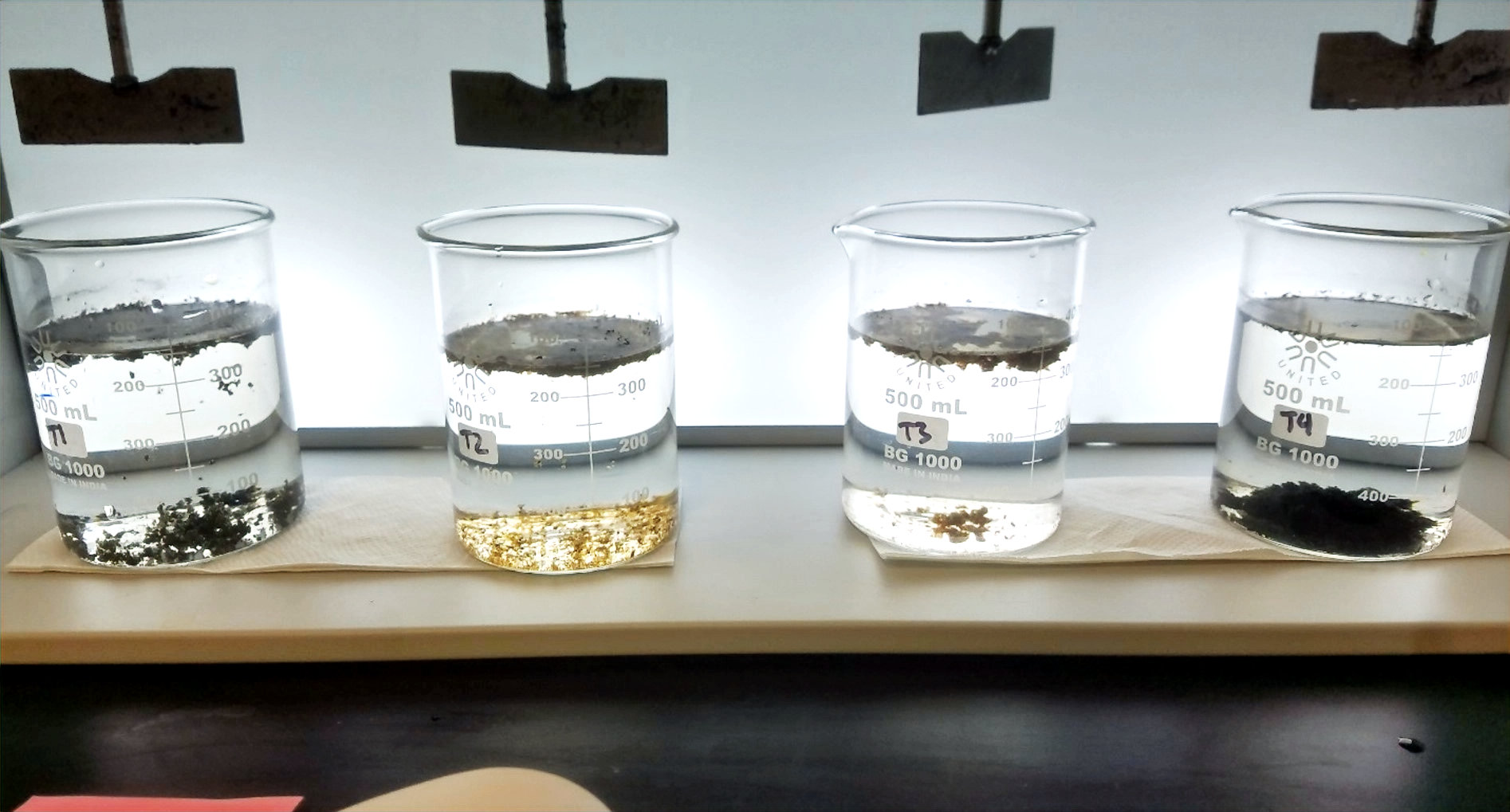
Run a controlled screen, then a plant trial within approved operating limits. Record product dose on a clear commercial or active basis, preparation recipe and operating range. Include representative difficult feed where safely practical. Preserve the incumbent baseline and unsuccessful candidate results so the approval reflects repeatability rather than the best isolated run.
Confirm packaging, transfer connections and storage arrangements. If the fallback needs different equipment or a long preparation change, record the lead time and resources. Qualification is incomplete when the chemical works but cannot be deployed during an actual interruption.
Keep substitution controlled
Define who authorises changeover, how the old and new stock remain identified, and which instructions operators receive. Obtain product-specific advice before cleaning lines or dealing with residual material. Do not blend grades to simplify the transition without a documented compatibility assessment and approved procedure.
Maintain readiness after approval
Agree periodic confirmation when sludge, equipment or product supply changes. Keep the alternative's delivery capability and documents current. A second-source contract can include sample refreshes or planned trial windows, but those services should be explicit. Compare the cost of readiness with the operational consequence of a shortage; the lowest standby product price is not the only relevant measure of resilience.
Prepare the next purchasing step
For the underlying operating checks, read Wastewater Polymer Supplier Questions Before a Plant Trial. Include the relevant feed information, equipment, planned quantity and delivery location when requesting a product quotation or sample. Agree the trial scope before placing routine supply.