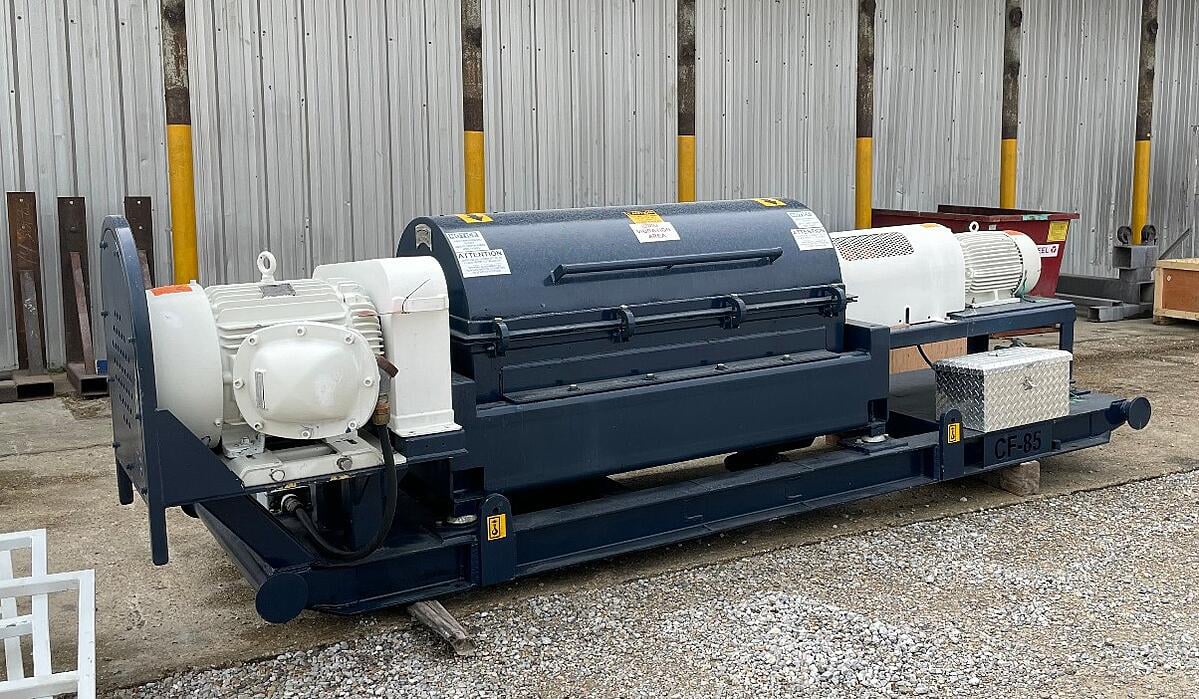
Buying cationic PAM for a centrifuge requires an operating envelope, not simply a promise of drier cake. A supplier can produce an attractive sample by reducing feed throughput. That result may be unsuitable when the plant must process its daily sludge inventory within a fixed operating window. Define acceptable throughput and separation together before requesting a firm supply price.
Specify the load the contract must cover
Give bidders the sludge sources, dry-solids range, typical flow, operating hours and recent changes in digestion or storage. Distinguish hydraulic throughput from dry-solids throughput. A machine treating more cubic metres of dilute sludge is not necessarily processing more solids. Include the centrifuge model and the operating limits approved by the equipment supplier; a polymer trial is not permission to exceed them.
Ask for a sample-backed recommendation from Xinqi's water-treatment polymer range, identifying the proposed commercial grade. The cationic PAM product family describes a starting chemistry, not proof that a particular grade will suit the bowl, feed or injection arrangement.
Make acceptance a combined test
Agree the minimum dry-solids throughput, cake-solids measurement, centrate quality and polymer consumption basis. Record bowl and differential speeds, feed rate and relevant machine alarms during each run. Compare results only after the process stabilises, using paired samples and an agreed sampling frequency. Retain unsuccessful runs; excluding them can hide a narrow operating window.
Separate feed excursions from product failures. A run outside the documented envelope should trigger investigation and an agreed repeat, not automatic acceptance or rejection. The contract should name who can stop the trial if machine protection or downstream treatment is at risk.
Price the accepted operating point
Request commercial product consumption per dry tonne, delivered price, expected operating hours and any additional dilution-water or cleaning demand. Compare annual costs using the same sludge quantity and accepted throughput. A cheaper kilogram can be more expensive when it extends the dewatering shift or increases returned solids.
Put the handover in writing
Attach the accepted settings, batch identification, preparation method and response to changing feed to the purchase record. Define when a new batch or changed sludge needs a confirmation run. Ask separately about technical attendance and response times; do not assume those services are included in the chemical price. Keep a usable incumbent supply while the new programme is being accepted.
Prepare the next purchasing step
For the underlying operating checks, read Municipal Centrifuge Polymer Trial Plan for UK Wastewater Works. Include the relevant feed information, equipment, planned quantity and delivery location when requesting a product quotation or sample. Agree the trial scope before placing routine supply.