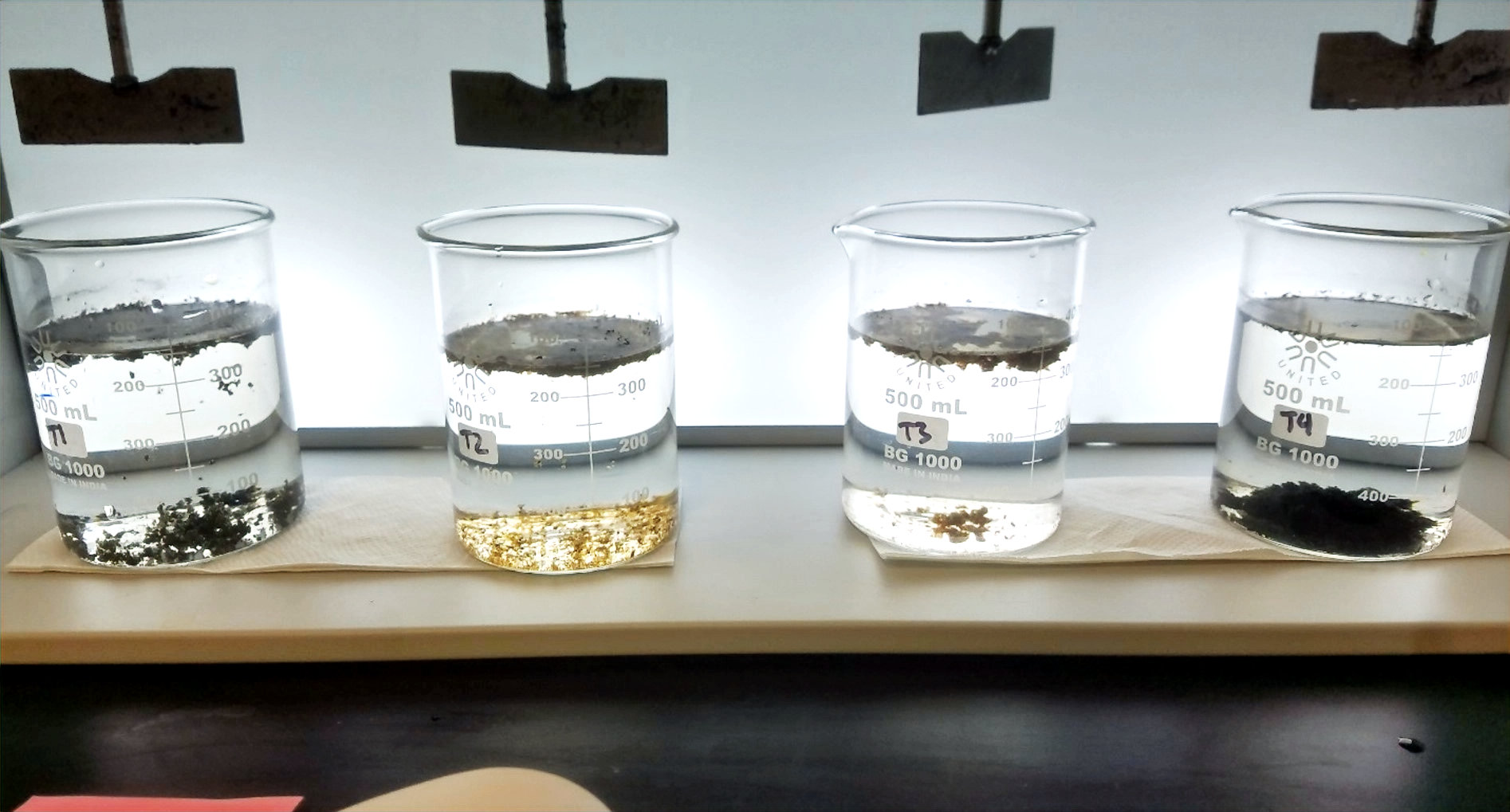
A food-factory DAF polymer contract should reflect the production mix entering the treatment plant. A candidate that performs well on one product line may behave differently when cleaning water, proteins, fats or other solids dominate the feed. Instead of accepting one attractive jar test as universal evidence, ask suppliers to price a programme demonstrated across the relevant operating conditions.
Build a feed matrix before requesting samples
List the main production periods, cleaning transitions and known high-load events. Record the sampling location and whether equalisation changes what actually reaches the DAF unit. Avoid using a composite sample that conceals a short but important upset. Equally, do not treat an unusual concentrated stream as if it represented the normal combined feed.
Provide this matrix when discussing Xinqi polymer candidates. A cationic PAM shortlist may be appropriate for some organic solids, but mixed food effluent still needs testing with the site's coagulant sequence and preparation water.
Evaluate flotation, not settling alone
The laboratory method should represent the intended separation sufficiently to support a plant trial. Record coagulant conditions, polymer preparation, mixing sequence and the criteria used to judge the float and treated water. Large settling floc does not establish that the same product forms manageable DAF float.
During the plant comparison, document recycle operation, skimming, flow and sludge removal. Mechanical or hydraulic changes should be separated from chemical changes in the trial record. Assess recovered solids handling as well as clarified water; a wet or unstable float can move the problem downstream.
Ask for an operating range
Request proposed grades and preparation instructions with an explanation of when settings or products would need review. If several programmes are offered, ask how operators identify the relevant feed condition and manage transitions. A complicated multi-grade solution may not be practical on an unattended shift.
Price normal operation and exceptions
Compare chemical usage across the agreed production mix rather than extrapolating the easiest shift. Include technical attendance, trial material and any additional storage or dosing requirements separately. State what happens if production changes after acceptance. The purchase decision should buy a manageable operating range with traceable evidence, not a guarantee of uniform performance on feed that has never been defined.
Prepare the next purchasing step
For the underlying operating checks, read Food Factory CIP Wastewater and Polymer Dose Variability. Include the relevant feed information, equipment, planned quantity and delivery location when requesting a product quotation or sample. Agree the trial scope before placing routine supply.