Potato processing wastewater can contain soil, peel fragments, starch and dissolved organic material in proportions that change through production. A polymer trial on a mixed end-of-pipe sample may conceal opportunities to recover material earlier or keep concentrated streams separate. Start by identifying where the solids come from and what the factory intends to do with the separated material.
Map the water by operation
Distinguish incoming washing, peeling, cutting and other relevant operations in the actual factory. Record where cleaning water joins the process and how flows vary during startup or product changes. Do not assume that all potato plants use the same processing steps. A useful sampling map reflects the installed line rather than a generic industry diagram.
Observe what screens or recovery equipment already remove before the proposed chemical stage. If a mechanical fault sends unusually coarse material downstream, correct that fault before choosing polymer from the abnormal sample. Sample handling should retain representative solids without allowing a settled container to become an unintended pretreatment stage.
Separate recovery from wastewater disposal
Material intended for recovery may have quality requirements that do not apply to ordinary treatment sludge. Have the responsible quality and environmental teams approve any chemical contact before testing a new recovery route. A product acceptable for wastewater clarification is not automatically acceptable in a food, feed or other recovered-product application.
If the purpose is wastewater treatment, provide Xinqi Polymer with the stream definition and its destination. Sludge-conditioning information can inform candidate screening, but it cannot establish suitability for a recovered commercial material. The site's industrial treatment articles cover related food-factory separation problems without replacing that application-specific review.
Measure the fraction chemistry can remove
Compare suspended solids with the relevant total and filtered organic-load measurements using agreed laboratory methods. Clarifying starch-rich particles may lower part of the load while leaving substantial dissolved material for biological or another treatment stage. A clear supernatant is therefore not a complete measure of downstream treatment duty.
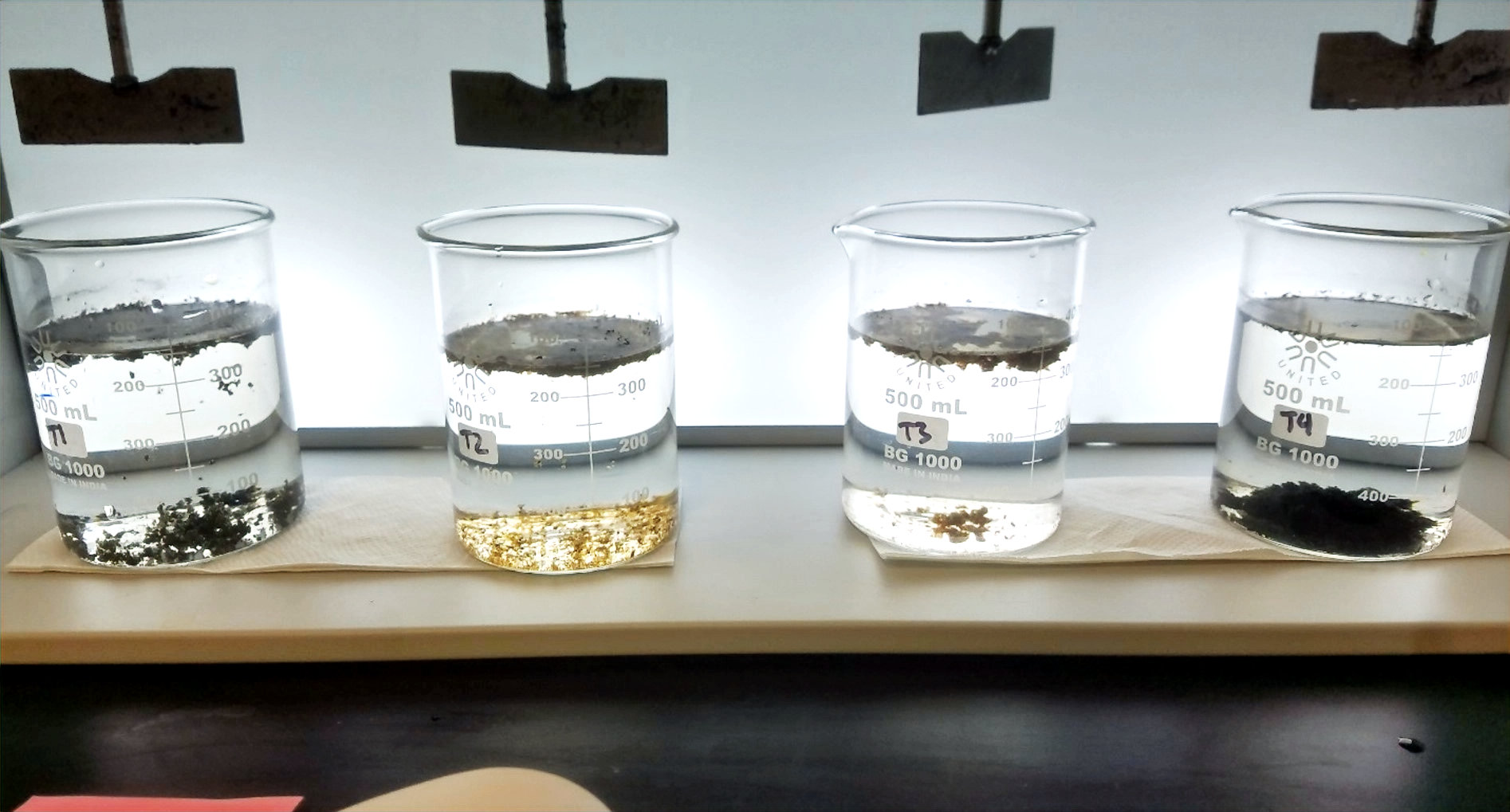
Run a control and candidate conditions on representative samples from the main operating modes. Record separation response and the volume and handling properties of the recovered solids. Match the test to the installed separator; a settling jar alone does not establish how a flotation unit or dewatering machine will behave.
Set acceptance around the production cycle
Require the shortlisted programme to operate through the relevant production and cleaning transitions, not only the easiest mid-shift sample. Track the remaining load delivered downstream and the destination of every solids stream. The strongest proposal may combine better source separation with a smaller chemical duty. Do not judge it solely on whether the polymer makes a visually impressive floc in the mixed wastewater.