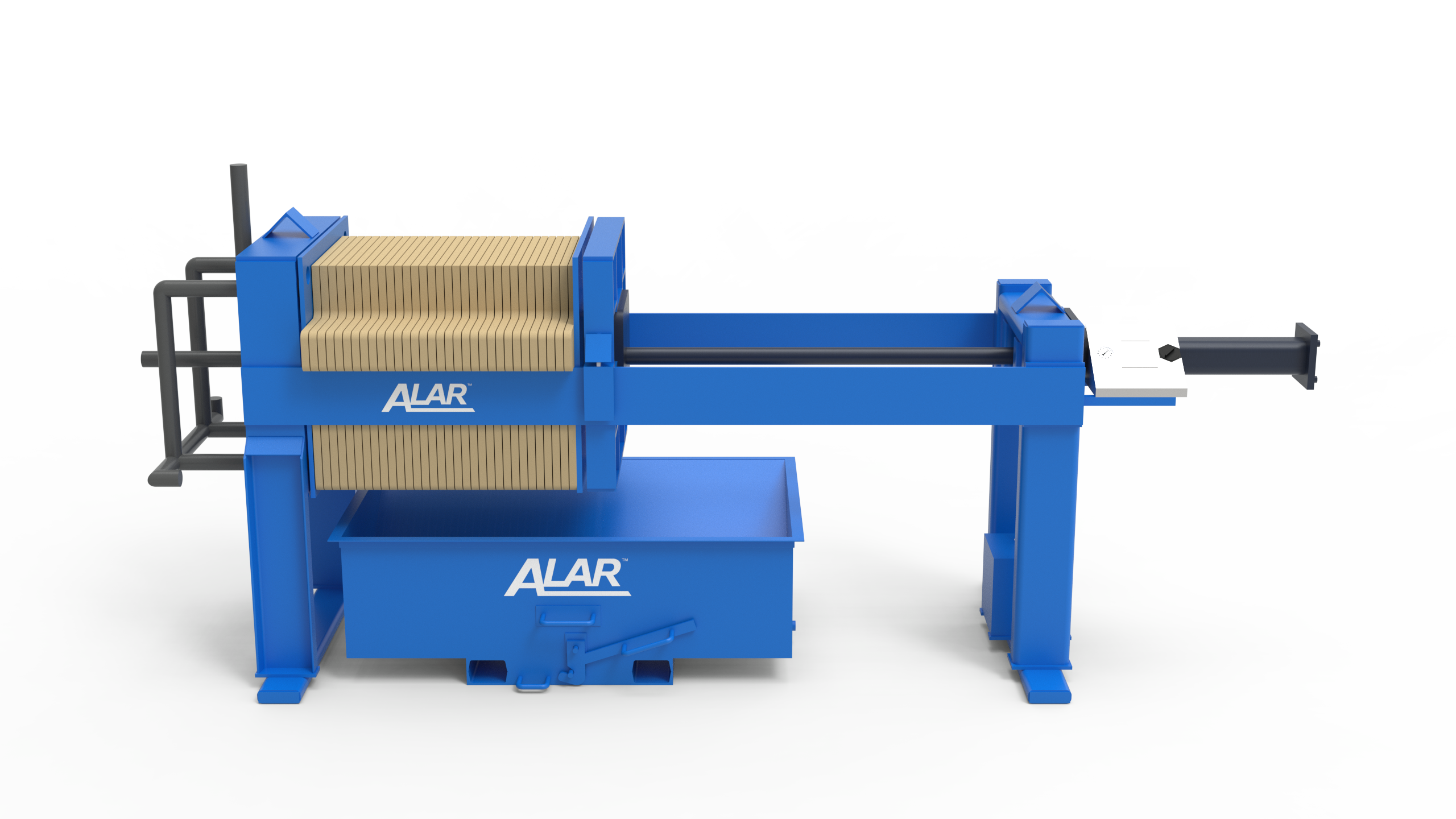
A filter press PAM order should be linked to useful solids output over a complete cycle. Clear initial filtrate or a visibly thick cake does not establish that the product improves the plant. Filling, compression, discharge and cloth cleaning all consume available time, and a change in one stage can erase a benefit in another.
State the press configuration
Describe the plate type, chamber volume, cloth, feed pump and operating sequence. Include feed-solids variability and whether upstream neutralisation or precipitation changes the sludge. Do not treat polymer as the default cure for uneven chamber filling: distribution, blocked passages and pump behaviour need checking first.
Ask Xinqi Polymer for candidate products suited to the tested sludge and preparation system. For mineral-rich feed, an anionic polymer reference can help frame the initial shortlist, but laboratory drainage and press trials must determine the actual choice.
Measure the whole cycle
Record fill time, subsequent process stages, discharge time, cake mass and dry-solids content. Sample filtrate over the cycle rather than only when it is cleanest. Note sticky cake, cloth blinding and manual intervention. Compare accepted dry-solids output over an equivalent operating period, not simply wet cake mass from a single chamber.
Keep pressure and mechanical changes within equipment instructions. When a trial changes feed concentration, document it explicitly; a faster cycle on a different feed cannot be attributed solely to polymer. Retain a baseline run close enough in time to make the comparison useful.
Ask for two commercial schedules
Request chemical price and delivery terms separately from application support, preparation modifications and any consumable changes. Establish which costs recur after the trial. Include a method for estimating cloth-cleaning demand and the effect of longer or shorter operating shifts. Avoid annual savings projections that assume all laboratory improvements will persist unchanged.
Agree acceptance and repeatability
The purchase decision should require acceptable filtrate, manageable cake and sustained output within the plant's limits. Attach the feed envelope, product batch and preparation record to the acceptance document. If the candidate works only at one unusually narrow feed condition, request a wider demonstration before committing bulk stock. Retain enough incumbent material to allow an orderly reversal if the trial cannot meet the agreed criteria.
Prepare the next purchasing step
For the underlying operating checks, read Uneven Filter Press Cakes: Feed Distribution or Polymer?. Include the relevant feed information, equipment, planned quantity and delivery location when requesting a product quotation or sample. Agree the trial scope before placing routine supply.