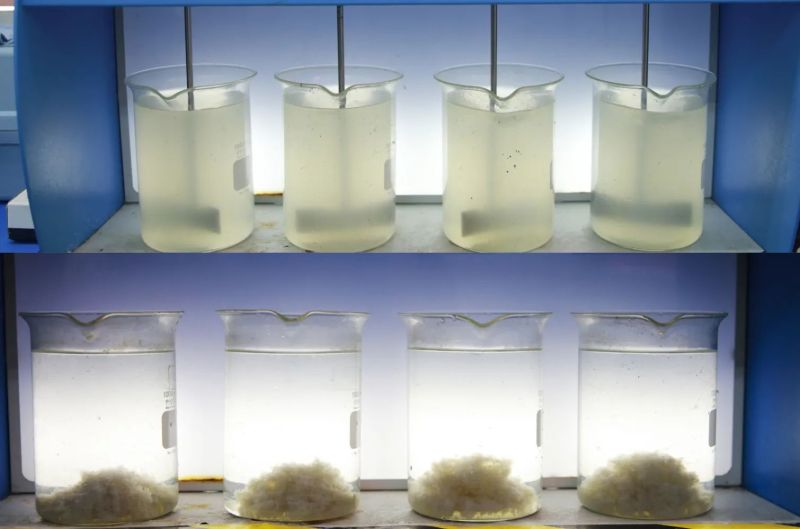
A seasonal PAM call-off contract should balance supply continuity against the risk of holding more material than the plant can use under the supplier's storage guidance. Annual tonnage alone does not describe the purchasing need. Demand can peak during difficult feed conditions or fall sharply during production shutdowns, while storage and handling limits remain unchanged.
Build a demand range
Use measured consumption and operating plans to distinguish normal demand, expected peaks and uncertainty. Keep product form and dose basis consistent. Do not estimate seasonal stock solely from last year's invoices if the plant has changed its sludge blend, throughput or preparation system. Record which assumptions have trial evidence and which remain provisional.
Discuss available grades and packaging with Xinqi Polymer. A manufacturer reference can support early research, but ask for explicit lead times, order quantities and current product-specific storage guidance in the supply quotation.
Match stock to usable storage
Consider unopened stock, opened packages and prepared solution separately. Confirm temperature and handling requirements for the actual product. Storage duration is not interchangeable between powder, emulsion and made-up solution. Check that the chosen package size fits consumption between openings and does not create avoidable partial-container stock.
Define stock rotation and batch identification. Establish what the receiving team does when delivery arrives with less remaining storage life than agreed. Avoid a policy that automatically accepts any shipment simply because total annual demand is large enough on paper.
Specify the call-off mechanism
Agree forecast updates, firm order notice, minimum release quantities and the treatment of urgent requests. State whether reserved stock is physically held, merely planned or subject to availability. Those are different commitments. Identify who bears the cost if production changes or the buyer cancels a previously firm release.
Review the plan after process change
Compare actual consumption and delivery performance with the forecast. If a new polymer or changed feed alters usage, update the stock plan rather than leaving the old reorder point untouched. Include contingency contacts and an approved fallback programme where required. A sound call-off arrangement protects operations with visible commitments and realistic stock, rather than relying on unsupported promises of immediate delivery during every peak.
Prepare the next purchasing step
For the underlying operating checks, read Seasonal Temperature Effects on PAM Make-Down and Dewatering. Include the relevant feed information, equipment, planned quantity and delivery location when requesting a product quotation or sample. Agree the trial scope before placing routine supply.